

ABOUT THE PROGRAM
Have you ever wondered what’s actually inside your phone’s battery or what powers the rapid rise of electric vehicles? Join us for a conversation with Nicolas Niarchos as he uncovers the hidden story behind the global hunt for cobalt, lithium, and other essential minerals—revealing the human, environmental, and geopolitical realities driving our clean-energy future.
This event is ideal for anyone interested in global affairs, sustainability, technology, or the human impact behind the clean-energy transition—from curious citizens to professionals working in policy, business, or international development.
Light refreshments will be provided.
PROMOTIONAL PARTNER

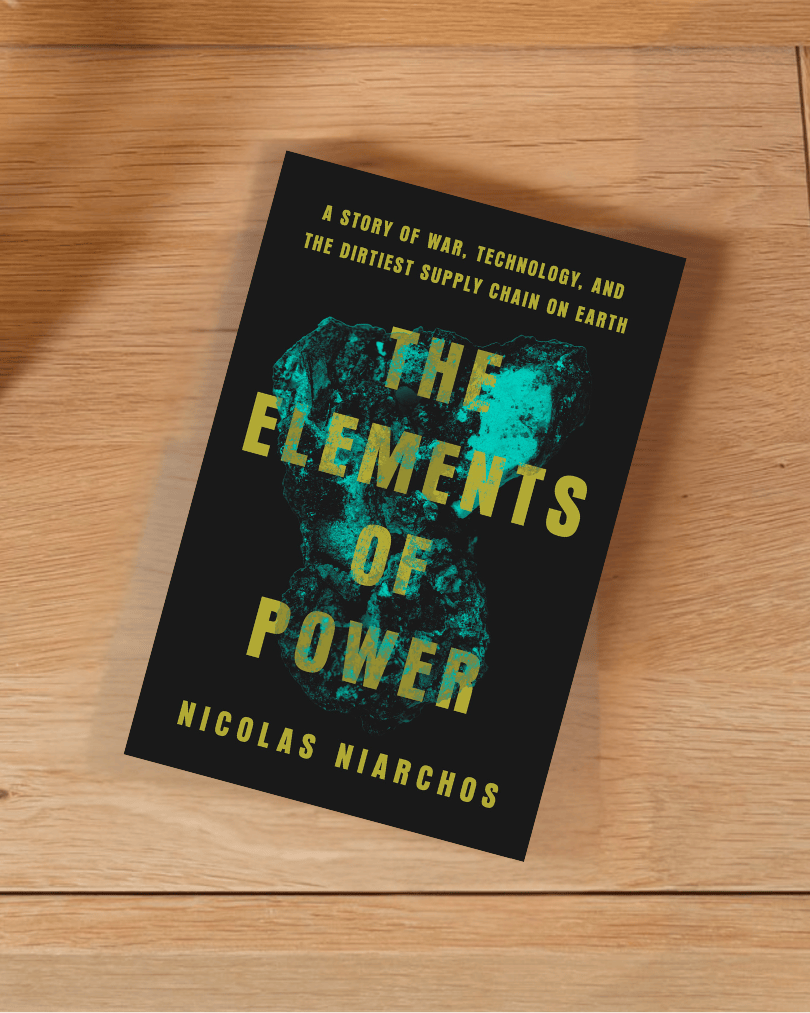
ABOUT THE Book
“A tale of rapacious colonialism, Cold War spy games, dazzling technical innovation, big business rivalry, big power geopolitics . . . Niarchos has produced an unflinching, landmark work on the nature of extractive capitalism.” —Patrick Radden Keefe, New York Times best-selling author of Empire of Pain and Say Nothing
Epic, shocking, and deeply reported, The Elements of Power tells the story of the war for the global supply of battery metals—essential for the decarbonization of our economies—and the terrible, bloody human cost of this badly misunderstood industry
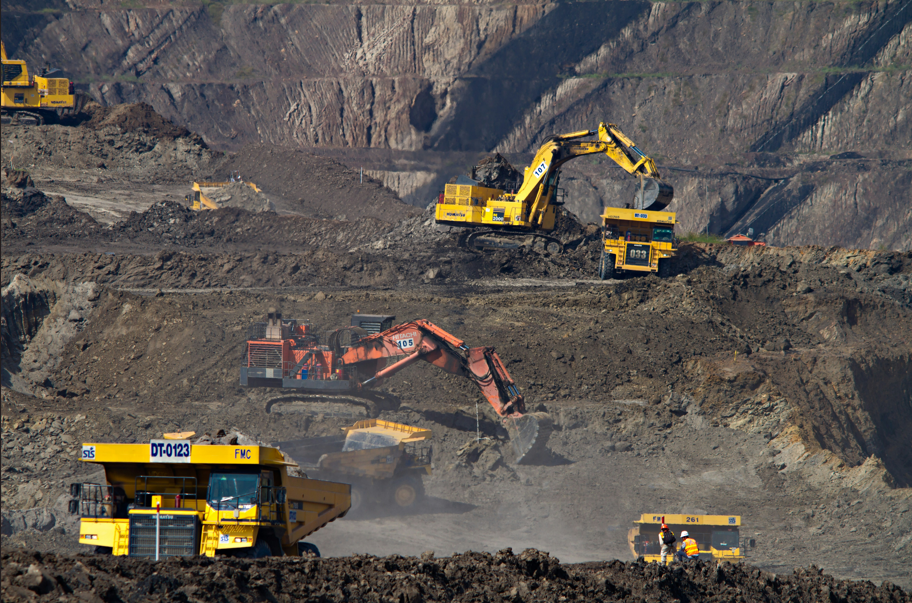
Congo is rich. Swaths of the war-torn African country lack basic infrastructure, and, after many decades of colonial occupation, its people are officially among the poorest in the world. But hidden beneath the soil are vast quantities of cobalt, lithium, copper, tin, tantalum, tungsten, and other treasures. Recently, this veritable periodic table of resources has become extremely valuable because these metals are essential for the global “energy transition”—the plan for wealthy nations to wean themselves off fossil fuels by shifting to sustainable forms of energy, such as solar and wind. The race to electrify the world’s economy has begun, and China has a considerable head start. From Indonesia to South America to Central Africa, Beijing has invested in mines and infrastructure for decades. But the U.S. has begun fighting back with massive investments of its own, as well as sanctions and disruptive tariffs.
ABOUT THE AUthor